

Ever heard of screen printing? Well if you have made it this far, we’d wager that you have. But do you know what screen printing actually is, how it works and which jobs it is best for? Maybe… maybe not. Either way, you are in the right place. Screen printing is one of the oldest and most widely used printing methods in the world, and it is still the first choice for a huge amount of the custom clothing you see day to day.
The good news is that screen printing is not nearly as complicated as it sounds. We have been printing clothing for over two decades here at My Personalised Clothing, and screen printing is one of several methods we use in-house every single day.
The point of this guide is not just to tell you what the term means. Anybody can do that. We want to help you work out whether screen printing is actually the right method for what you are ordering. We will cover how it works, what it is good for and how well it holds up.
We recommend reading the full guide, but if you are in a hurry, you can jump to the part you need:
- What is screen printing?
- How does screen printing work?
- What is screen printing used for?
- What are the benefits of screen printing?
- Does screen printing last?
- Screen printing vs other printing methods
What Is Screen Printing?
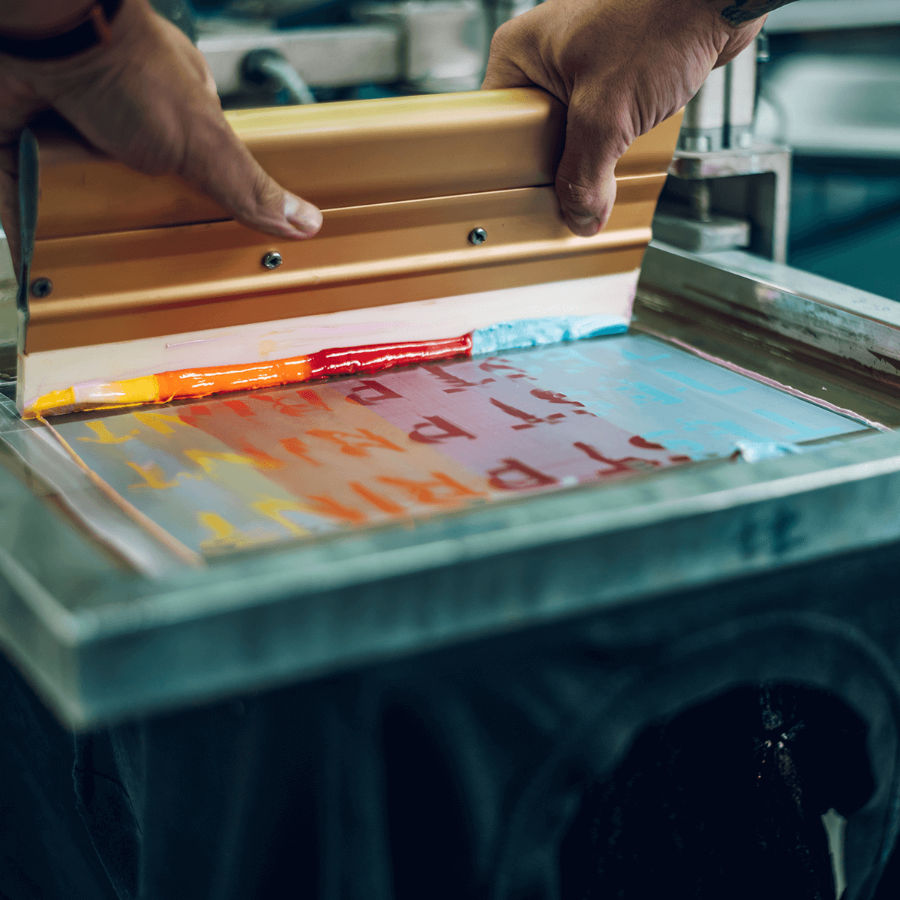
Screen printing is a decoration method for clothing and apparel that pushes ink through a mesh screen onto a garment. The mesh screen is stretched tight over a frame, and a stencil blocks off every area that should stay blank. Ink is then pulled across the screen with a squeegee, passing through the open mesh and onto the fabric below. Wherever the stencil blocks the mesh, no ink gets through, which is what forms the design.
You might also hear it called silk screening or serigraphy. Those names come from the early days of the method, when the screens really were made of silk. Even with all of the advancements in technology, the principles of screen printing are no different to when the technique first originated in China around a thousand years ago. It is crazy to think that such an old method is still so prominent in the present day, with some modernisation of course. The modern version took off in the early 1900s, and these days the mesh is a fine polyester rather than silk, but the idea is the exact same as it was a century ago.
There is one single thing you absolutely have to understand about screen printing. One screen carries one colour. So a single-colour logo needs one screen, while a four-colour design needs four, each carefully aligned so the colours sit exactly where they should. That one detail explains a lot about where screen printing is great and where another method might suit you better. Keep that in mind and the rest of this guide will make a lot of sense.
How Does Screen Printing Work?
Want to know what actually happens between sending us your artwork and getting your finished shirts? The process can be broken down into six clear stages. None of them are complicated on their own, but each stage matters for the quality of the finished print. We have broken each one down below.
- Colour separation. The design is split into its individual colours. Each colour needs its own screen, so this step determines how many screens the job will take. A bold two-colour logo is separated into two layers, and so on.
- Coating the screen. A mesh screen is coated with a light-sensitive emulsion and left to dry in a dark space. This emulsion is the foundation of the stencil.
- Exposing the design. The design is printed onto clear film and laid over the coated screen, which is then exposed to UV light. The light hardens the emulsion everywhere except where the design blocks it.
- Washing out. The screen is rinsed, and the soft, unexposed emulsion washes away to leave open mesh in the shape of the design. This open area is where the ink will pass through. You now essentially have your own custom stencil.
- Pulling the ink. The garment is placed flat on the press, the screen is lowered, and ink is pulled across the mesh with a squeegee. For multi-colour designs, each screen is printed in turn and lined up so the colours register correctly.
- Curing. The garment runs through a heat tunnel at roughly 160 degrees, curing the ink so it bonds permanently into the fabric. This step is what gives a screen print its long-lasting finish, which it’s so well known for.
The set-up takes a little time at the start. It sounds like a lot, but once the screens are set up, printing each garment takes seconds. That is why screen printing is so good for larger orders and less so for a single item.
What Is Screen Printing Used For?
Okay, so let’s recap. You know what screen printing is, you know how the process works and you are probably starting to get a good idea of the benefits – more on those later. This is great and all, but what is screen printing actually used for? Understanding when this method is used can help you learn if it’s the best option for your project. In short, screen printing is the go-to method whenever you need bold, hard-wearing prints in volume. Common uses include:
- T-shirts for events, retail and everyday wear
- Hoodies and sweatshirts with large front or back designs
- Branded workwear and staff uniforms
- Sports kit for clubs and teams
- Promotional clothing for festivals, fundraisers and giveaways
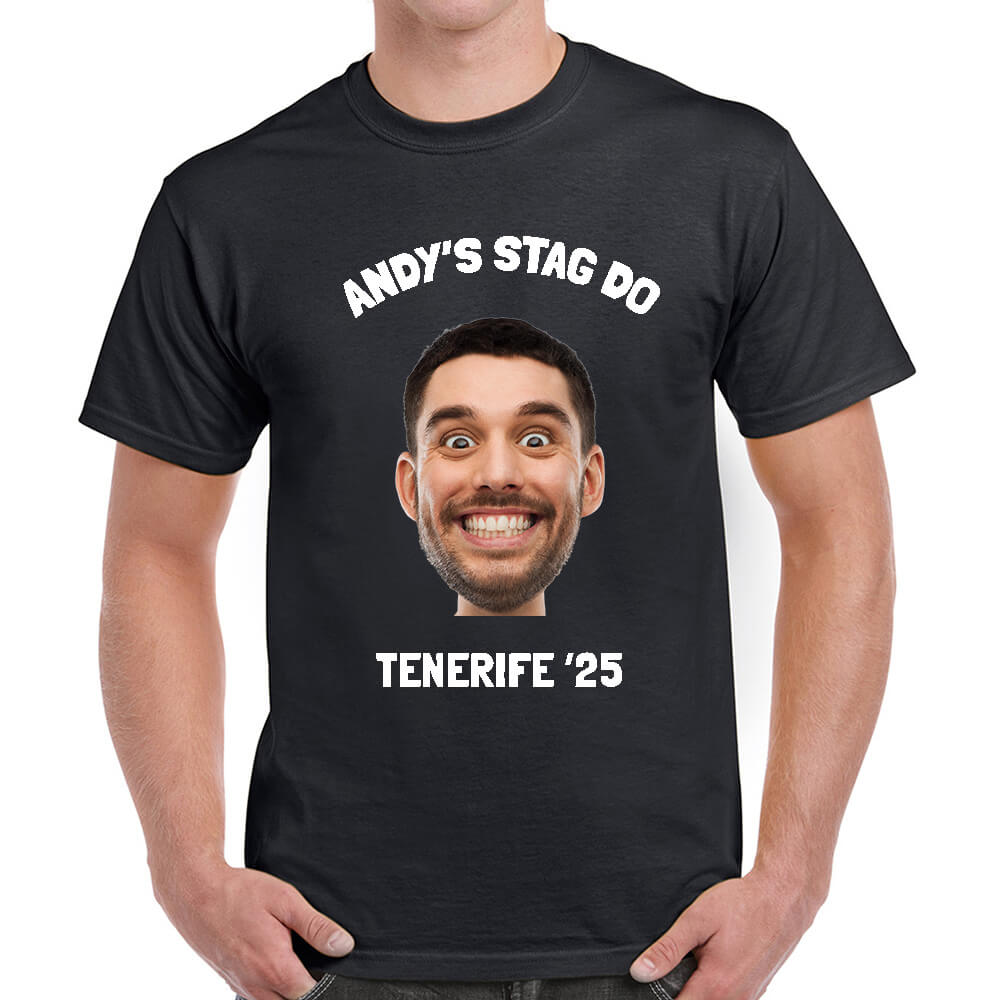
What’s the common trend across all of these? Repetition. Anything that involves the same design across a large quantity is a good fit. Think a charity fun run, a festival crew, a five-a-side team, a company kitting out staff in branded polos, a school running off leavers hoodies, or even t-shirts for a stag do. The bigger the order, the more the initial set-up cost gets spread out, and the better value screen printing becomes per item.
That said, at My Personalised Clothing we have never and will never charge set-up costs. It’s not how we roll, and if screen printing isn’t going to be cost-effective for your project, we will just tell you. We always pick the best method for your project based on 20 years of experience in the print-on-demand game. Whether it’s DTG, DTF or something else, we do the heavy lifting when it comes to choosing the best route forward for your project. Get a free quote today.
Outside of clothing, the same process prints personalised tote bags, signage and posters. For garments specifically, it remains the main method for bulk orders.


What Are the Benefits of Screen Printing?
So why is screen printing still so widely used when newer methods exist? It’s genuinely impressive that screen printing is still so popular, given how much technology and other digital methods have advanced in recent years. As the old adage goes, if it ain’t broke, don’t fix it, and screen printing is testament to that. A few of the main benefits are as follows:
The colour quality is excellent. Screen printing lays down a thick, opaque layer of ink that sits beautifully even on dark garments. Colours come out vibrant and true. That opacity is why even a light design holds up on a white garment, a job that suits screen printing especially well.
The durability is among the best you will find. This is thanks to the heat-curing process. We cover this properly in the next section, but it is one of the main reasons people keep coming back to it.
Value at volume. There is a bit of work upfront to make the screens, but once they exist, each print is cheap. Order 200 shirts, and that set-up cost is spread thinly across the whole run, which is why screen printing is so popular for bulk orders.
A subtle yet premium finish. The slightly raised, tactile finish of a screen print is part of its appeal. It looks and feels like quality, which matters for retail clothing and branded merchandise alike.
We have been going on about the benefits, but it is important to look at both sides of the coin. You are probably sitting there thinking how great this all sounds and it is. But screen printing isn’t perfect. It’s not suitable for every project either.
The honest caveat is that screen printing is not built for small or highly detailed jobs. A single shirt or a multi-coloured design is better handled digitally. As we covered, every colour needs its own screen. For one or two items, or a photographic design, a digital method is often the smarter pick.


Does Screen Printing Last?
Simple answer – yes. It is one of the longest-lasting prints you can get, provided it is cured properly. Rather than sitting on the surface, the ink is heat-set into the fibres of the fabric, so it resists cracking, peeling and fading through repeated washing.
The key phrase there is cured properly. A print that has not been heat-set correctly will not hold up the same way. It’s an essential part of the process. This is why the experience of the printer genuinely matters for the longevity of the garment. It doesn’t matter how great your design is; a print that has not been properly heat-set will not last.
A little aftercare goes a long way too. To get the most out of a screen-printed garment, wash it inside out on a cool cycle, around 30 degrees, and avoid bleach or harsh detergents. Skip the tumble dryer where you can, and never iron directly over the print. Treat it well and your print can easily outlive the garment itself.
Screen Printing vs Other Printing Methods
This is the question that really matters once you understand the method. Is screen printing the right call for your order, or would something else serve you better? Screen printing is undeniably brilliant, but it is not always the right answer.
Since we offer several methods in-house, we would always rather match the method to the job than push everyone towards the same one. The simplest way to decide is to think about your order size, your design and your priorities. The table below shows how screen printing compares to the main alternatives.
| Factor | Screen printing | DTG / DTF | Embroidery |
|---|---|---|---|
| Best order size | Medium to large runs | One-offs and small runs | Any size, logo work |
| Detail and colour | Bold, limited colours | Photographic, full colour | Simple logos and text |
| Durability | Excellent | Highly durable | Excellent |
| Finish | Bold, slightly raised ink | Soft, premium feel | Premium stitched texture |
| Cost per unit at volume | Very competitive | Stays fairly flat | Depends on stitch count |
TLDR, if you are ordering bold designs in bulk and want maximum durability and colour vibrancy, screen printing won’t be beaten. For single items, fine detail or photo-style prints, look to DTG or DTF. For simple logos on uniforms or workwear, embroidery is usually the wise guy pick.
Still not sure which way to go? For a full side-by-side, see our full t-shirt printing methods guide. Or if you are ready to start your order, head over to our dedicated screen printing area.
Whichever method comes out on top for your project, you can design and order it all with My Personalised Clothing. We offer no minimum order, so you can start with a single sample before committing to a bigger run. Oh and did we mention, free UK delivery is included on every single order. After all, who doesn’t love a bit of value?
If you would like a hand choosing the right method for your project, just get in touch. Our friendly team is always happy to help. You can also explore our full range, including personalised t-shirts, custom hoodies, personalised hats, custom aprons, personalised tote bags, next day printed t-shirts, branded workwear & much more.
