

Not sure which t-shirt printing method is right for your project? You are not alone. With plenty of t-shirt printing methods available, each with its own strengths and trade-offs, it can be difficult to know where to start. The good news is that once you understand how each method works and what it does best, the decision becomes a lot easier.
There are several t-shirt printing methods used across the industry, each suited to different designs, fabrics and order sizes. Here at My Personalised Clothing, we use all of the main methods in-house at our UK facility. We have been doing this for over 20 years, so we know a thing or two about which method works best for which scenario.
We recommend reading the full article, but if you are in a hurry, you can jump ahead to the section that interests you the most:
- What are the different t-shirt printing methods?
- Screen printing
- Direct to garment printing (DTG)
- Direct to film printing (DTF)
- Embroidery
- Digital transfer printing
- Heat transfer vinyl printing
- Which t-shirt printing method lasts the longest?
- Which t-shirt printing method is right for me?
What Are The Different T-Shirt Printing Methods?
When it comes to t-shirt printing, there are six main types, each best suited to different needs and requirements. These printing methods are:
Some methods print ink directly onto the fabric. Others transfer a design from a film or paper onto the garment using heat. And embroidery doesn’t use ink at all. It stitches the thread directly into the material. This gives a unique and textured finish. The right choice depends on a few key factors, including the complexity of your design, the fabric you are printing on, how many items you need, and how durable you need the finished product to be.
Before we get stuck into the details, here is a quick comparison of the six methods
| Method | Best for | Fabrics | Order size |
|---|---|---|---|
| Screen printing | Bold logos, simple graphics | Cotton, polyester, blends | Large runs |
| DTG printing | Photos, detailed full-colour designs | Cotton (50%+ required) | Small to medium runs |
| DTF printing | Full-colour designs on any fabric | Cotton, polyester, nylon, blends | Small to medium runs |
| Embroidery | Logos, text, branding | Most fabrics (heavier preferred) | Any volume |
| Digital transfer | Full-colour images, sharp detail | Almost any fabric | Small to medium runs |
| Heat transfer vinyl | Names, numbers, simple text | Most fabrics | Small to medium runs |
Screen Printing
Screen printing is one of the oldest and most well-known t-shirt printing methods, and there is a good reason it has stuck around. For bulk orders with bold, simple designs, it is tough to beat in terms of quality and cost-effectiveness.
How it works
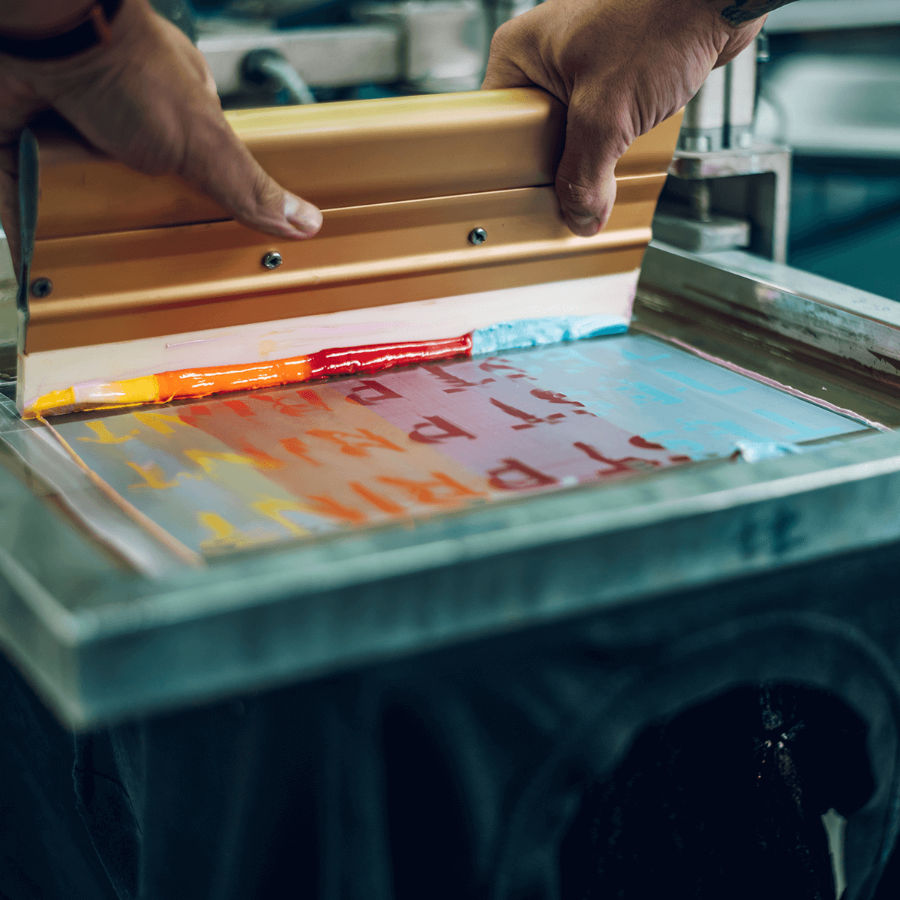
Screen printing uses a stencilled mesh screen to transfer ink onto the fabric. The ink is pressed through the permeable areas of the stencil using a squeegee, allowing the design to pass through onto the garment below. Each colour in the design requires its own separate screen, which is why this method works best with designs that use a limited number of solid colours.
Once all the colour layers have been printed, the ink is cured using heat to create a permanent bond with the fabric. The result is a vibrant, bold print with a slightly raised feel that holds up extremely well over time.
Best for
Now you know a bit more about what screen printing actually is, it is important to understand when it is best used:
- Large orders where cost per unit matters – the more you print, the cheaper it gets
- Simple designs with a small number of solid colours, such as logos or text-based graphics
- Cotton, polyester and blended fabrics
- Promotional merchandise, staff uniforms and event clothing
Screen printing is less suited to highly detailed, full-colour designs or very small runs. The setup cost of creating individual screens for each colour makes it expensive for smaller orders, and you’d be best off opting for a different method. Want to find out more? Check out our screen printing service for more info.

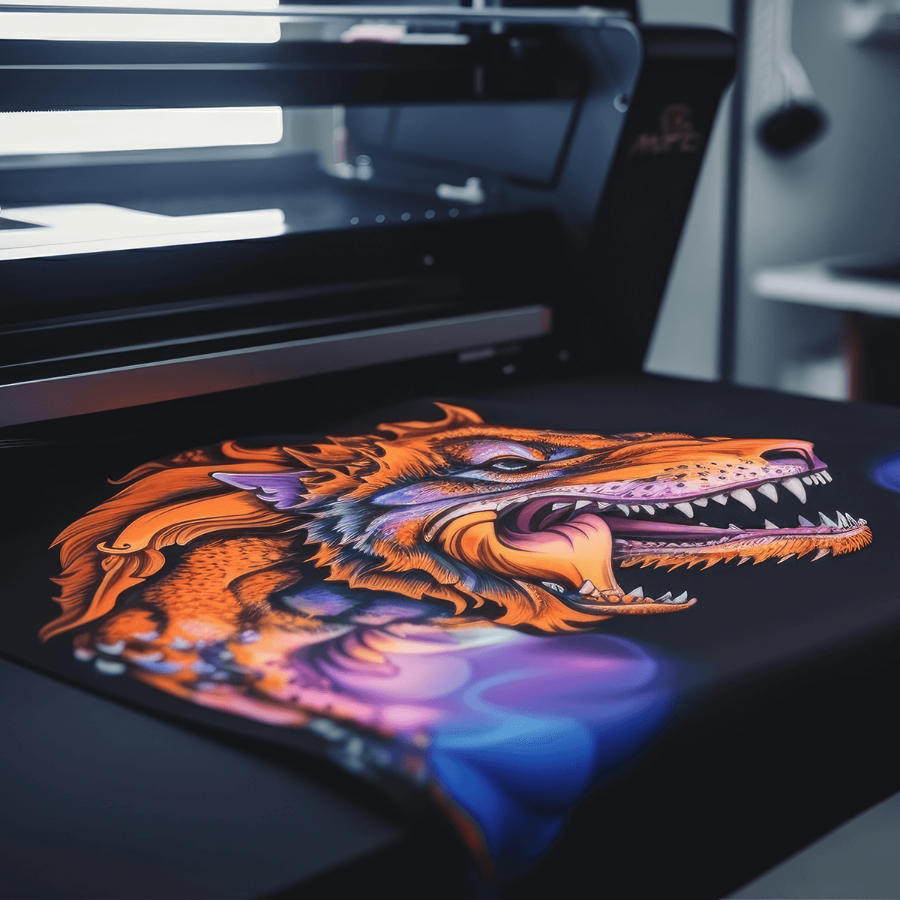
Direct To Garment Printing (DTG)
If screen printing is the workhorse for bulk orders, DTG is its high-detail friend. Direct to garment printing uses specialised inkjet technology to spray water-based inks directly onto the fabric, producing prints with incredible colour accuracy and fine detail. It’s a personal favourite of ours here at MPC.
How it works
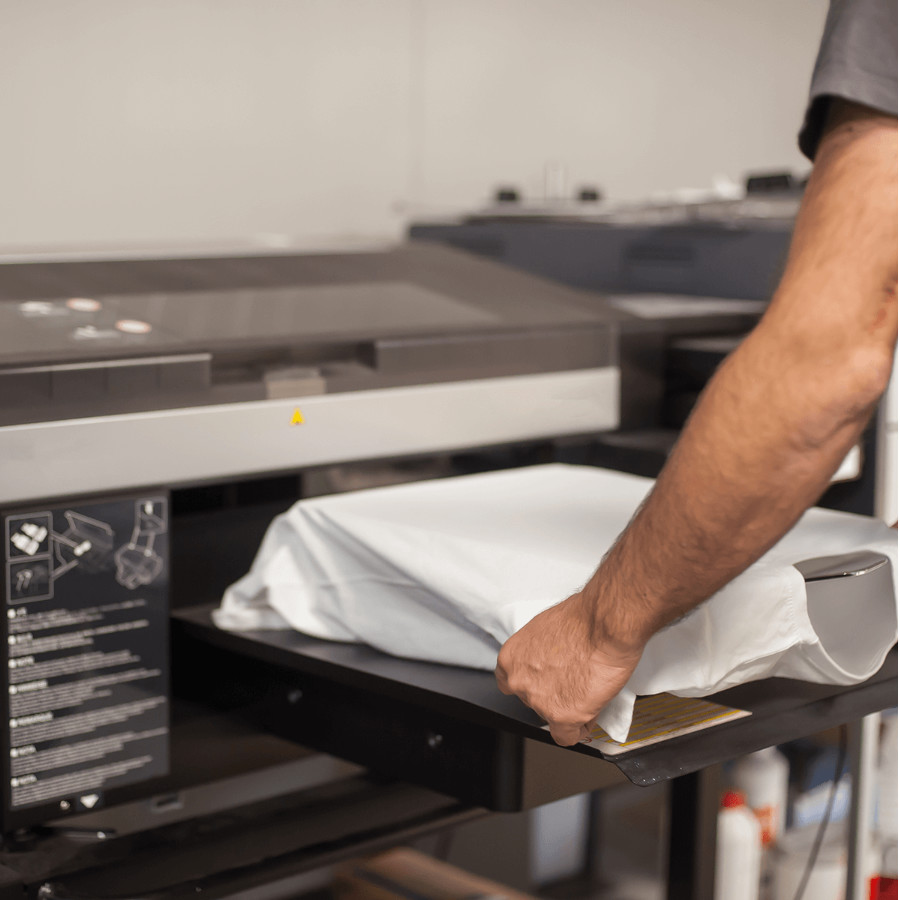
A DTG printer works in a similar way to a standard inkjet printer. But instead of paper, it prints directly onto the garment itself. The t-shirt is placed on the printer’s platen, and the design is applied straight onto the fabric surface. It’s as simple as that. Because the ink is absorbed into the cotton fibres, the finished print has a smooth feel – you will not be able to physically feel the design on the garment, as it sits flush with the fabric rather than on top of it.
One important thing with DTG – the ink requires cotton fibres to bond effectively. Garments composed of at least 50% cotton will produce the best results. Products made from 100% cotton are ideal, but other blends are workable.
Best for
Okay. You have a better idea of what DTG printing is – but what is it best for?
- Full-colour designs, photographs and highly detailed graphics
- Small runs or one-off orders – there are no setup costs, so it is cost-effective even for a single item
- Cotton and high-cotton-blend garments
- Retail-quality prints where a smooth, professional finish matters
Where DTG is less suited is for polyester fabrics and very large orders. For polyester garments, DTF printing or heat transfer is the better route. And for bulk orders with simpler designs, screen printing will typically be better for your wallet. Want to find out more? Find out more about our DTG printing service.

Direct To Film Printing (DTF)
Next up, we have DTF printing. This is the newest addition to our range of t-shirt printing methods, and it has quickly become another one of our most popular options. Where DTG needs cotton to work effectively, DTF can print on pretty much all fabrics, making it a strong option across a wider range of t-shirt styles and materials.
How it works
Rather than printing directly onto the garment, DTF printing works by first printing the design onto a specialist heat-resistant film using water-based pigment inks. At MPC, we print the design in white first and then layer the rest of the colours on top. This ensures that even the most intricate designs come through with maximum vibrancy. The film then undergoes a curing process before being heat-pressed onto the fabric surface, creating a durable bond between the design and the garment.
Because the design is transferred from film rather than printed directly into the fabric, DTF produces a print that sits slightly on top of the material. The print area can have a slightly different texture compared to the rest of the garment. It is a subtle difference, but worth noting if the flush feel of DTG is important to you.
Best for
DTF is a highly versatile t-shirt printing method. That is underlined by its popularity. But what is it best for specifically?
- Designs that need to go onto polyester, nylon or blended fabrics where DTG is not an option
- Full-colour, high-resolution graphics and photography
- Small to medium runs with no minimum order
- Sportswear, fashion garments and items made from organic blends
DTF is less economical than screen printing for very large orders, but its versatility across fabric types makes it a very strong all-rounder. If you are not sure whether your project suits DTG or DTF, our team can help you decide based on the fabric and design you are working with. Find out more about our DTF printing service or speak to our experts.

Embroidery
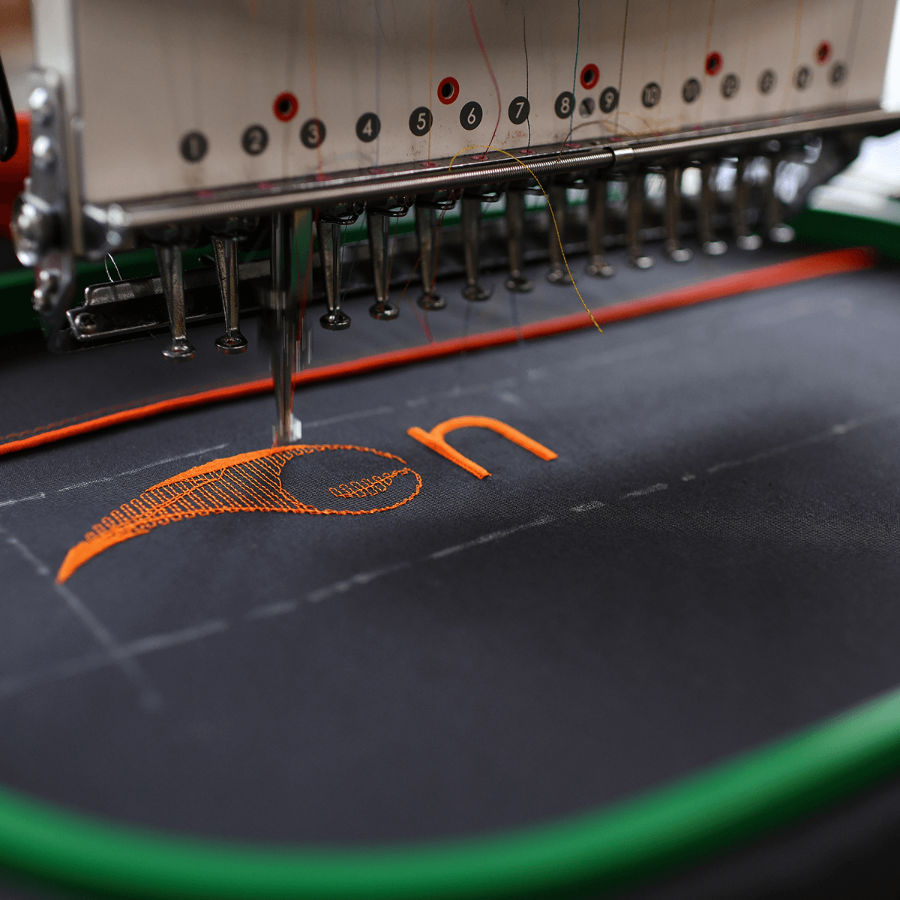
Okay, we hear you. Strictly speaking, embroidery isn’t actually a printing method…. Why? Well, it does not use ink at all! With this decoration method, your design is stitched directly into the fabric using coloured thread and a specialised embroidery machine. The result is a textured, raised finish that looks and feels premium. A touch of class, you could say.
How it works
The garment is hooped to keep the fabric tight, and the embroidery machine then stitches your design onto the surface using a range of thread colours. Because the design is literally sewn into the material, embroidery produces one of the most durable finishes of any decoration method. It will not crack. Nor will it peel or fade over time – not that any of our printed t-shirts do anyway, but lower-quality prints are prone to this. Embroidery can withstand heavy wear and frequent washing without losing its quality.
That said, embroidery does have its limitations. It is not suited to highly detailed photographic designs or designs that require subtle colour gradients. The thread-based process works best with simpler logos, text and graphic elements where clean lines and bold shapes are the priority.
Best for
Unlike the printing methods, embroidery has quite specific use cases. It isn’t perfect for every situation. But it does work best for:
- Logos, monograms and text-based designs
- Workwear, branded uniforms and corporate clothing where a professional finish matters
- Polo shirts, jackets and hoodies – garments where a premium, tactile quality adds value
- Any project where long-term durability is the top priority
Embroidery tends to be more costly than print-based methods, particularly for designs with a lot of detail. But for branded workwear and professional applications, the quality speaks for itself. Sound good? Learn more about our t-shirt embroidery services.

Digital Transfer Printing
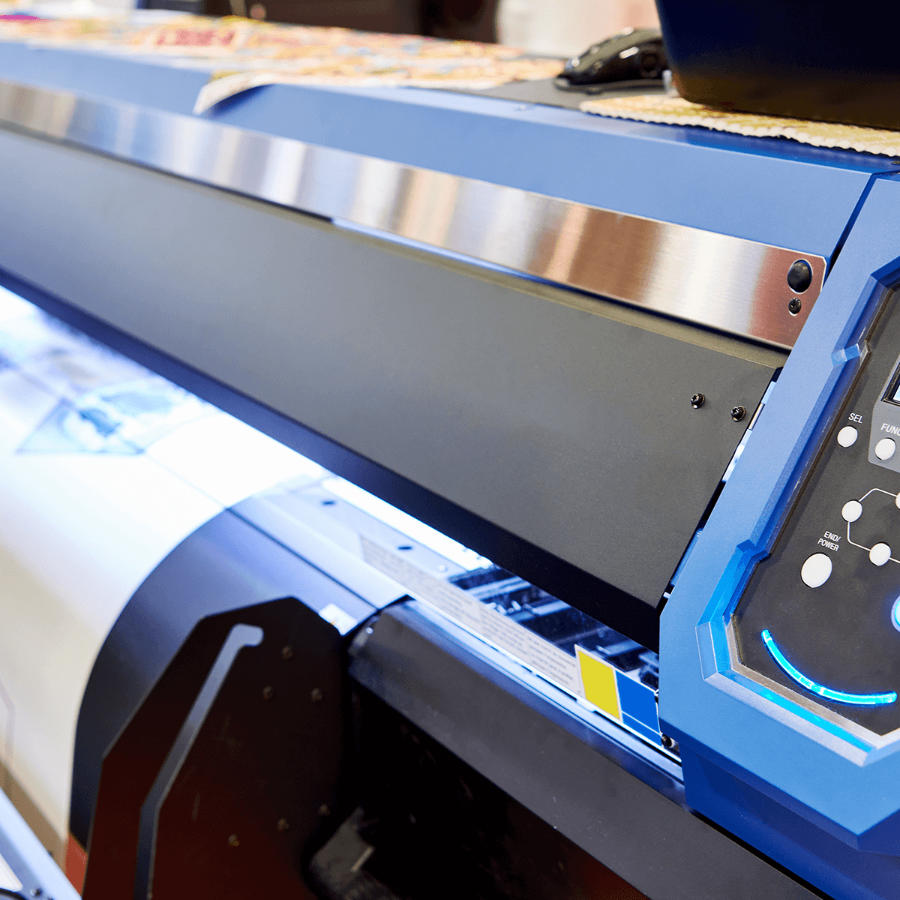
Digital transfer printing involves printing your design onto special transfer paper using a digital printer, then applying the design to the garment using heat and pressure. Because the transfer paper is less porous than fabric, this method can produce sharp, high-quality image reproduction with excellent colour accuracy.
How it works
The design is first printed onto a sheet of transfer paper, which holds the ink in a more concentrated form than fabric would. The paper is then positioned on the garment and heat-pressed, transferring the design from the paper onto the surface of the t-shirt. The heat activates the ink and bonds it to the fabric.
This method is a good middle-ground option. It handles full-colour designs well and works across a range of fabric types without the specific material requirements that DTG has for cotton.
Best for
Digital transfer is one of the more versatile printing methods. That said, it is best suited to:
- Full-colour designs and photos
- Smaller orders where screen printing setup costs are not justified
- A range of fabric types, including cotton, polyester and blends
- Projects where high-quality image reproduction is a priority
Digital transfer printing might not get as much attention as DTG or DTF, but it has a useful role to play. If you would like to find out more, please see our digital transfer printing service page.

Heat Transfer Vinyl Printing
Heat transfer vinyl printing is one of the most popular t-shirt printing techniques for single or dual-colour designs. It’s one you have probably already heard about. If you have ever seen a football shirt with names and numbers on the back, there is a good chance it was produced using this method.
How it works
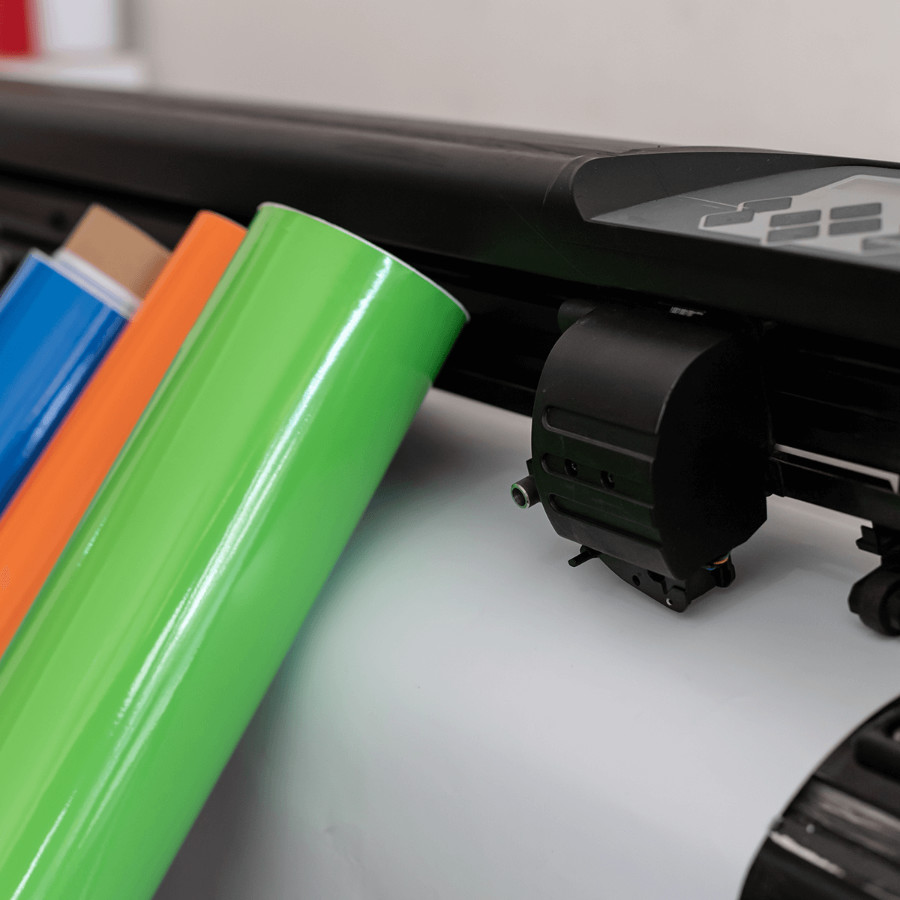
Vinyl sheets are cut into the desired shapes, letters or numbers, and then heat-pressed onto the fabric. The heat activates an adhesive layer on the vinyl, bonding it permanently to the garment. The result is a bold, clean finish with solid, opaque colours that stand out well on both light and dark fabrics.
Heat transfer vinyl printing is available in a range of finishes, including matte, gloss and metallic options, which can add a unique look to your t-shirts. It is distinct, but is the only option if you want that classic vinyl look.
Best for
Given the style of this method, it isn’t suited to every t-shirt. That said, it is great for the following:
- Names, numbers and lettering – the go-to for sports kits and team uniforms
- Simple one or two-colour designs with bold, clean lines
- Leavers hoodies, where individual names and year groups are often added
- Sportswear and any garment that needs personalised text or numbering
Heat transfer vinyl is not suited to complex, multi-colour graphics or photo designs. For those, DTG or DTF will give you a much better result. But for what it does well – bold text, numbers and simple graphics – it is reliable, durable and looks great. Find out more about our heat transfer vinyl printing service.

Which T-Shirt Printing Method Lasts The Longest?
Right, we have covered all of the most popular t-shirt printing methods now. You should have a good idea of how they work and what each method is good for. We bet that you have one burning question that we always get – which t-shirt print method lasts the longest? The honest answer is that it depends on the method and how the garment is cared for after printing.
As a general rule, embroidery is the most durable decoration method. Because the design is stitched into the fabric rather than applied with ink, there is nothing to crack, peel or fade. A well-made embroidered garment will hold its design for as long as the fabric itself lasts.
Screen printing comes in a close second. The thick layers of ink create a durable print that holds up well over many washes, particularly on cotton garments. It is one of the reasons screen printing has remained so popular for decades. DTF printing also performs very well for durability, with prints that resist cracking and peeling even after repeated washing. DTG is slightly less durable than DTF in a direct comparison, though modern DTG technology has improved significantly, and the prints will comfortably withstand regular wear and washing when cared for properly.
For all printed garments, a few simple care steps will extend the life of your design:
- Wash inside out at 30 degrees or lower
- Avoid bleach and harsh detergents
- Air dry where possible rather than tumble drying on high heat
When printing t-shirts with MPC, you don’t have to worry about cracked or faded prints. Whether you go for DTG, DTF, or screen printing, our prints will stand the test of time. Get a quote or discover our range of personalised t-shirts.


Which T-Shirt Printing Method Is Right For Me?
Still not sure which method to go for? Here are a few quick pointers based on the most common scenarios:
- Choose based on your design. If your design is a full-colour photograph or a complex graphic with lots of colour detail, DTG or DTF printing will produce the best results. For simple logos, text or designs with a small number of solid colours, screen printing or heat transfer vinyl are more appropriate and often more cost-effective.
- Choose based on your fabric. Cotton garments pair best with DTG printing. For polyester, nylon or synthetic blends, DTF is the more versatile option. Screen printing works across most fabric types, and if you need embroidery, heavier fabrics like polo shirts, hoodies and jackets tend to give the best results.
- Choose based on your order size. For large bulk orders, screen printing is almost always the most economical choice. For small runs or single items, DTG and DTF both offer excellent results without any setup costs. Embroidery works well at any volume, though the per-unit cost is generally higher than print-based methods.
If you are still not sure, that is completely fine. Our team deals with these questions every day, so drop us a line. When you order with MPC, we will always choose the best possible t-shirt printing method for your project, drawing on over two decades of experience.
Print Your T-Shirt With My Personalised Clothing
Whatever t-shirt printing method suits your project, we offer all of the best decoration methods in-house at our facility in Southend-on-Sea. With over 20 years of experience, a Feefo Platinum Trusted Service Award, and a team that knows this stuff inside out, you are in safe hands.
A few things worth knowing before you get started with us. We have no minimum order across our entire range, so you can order a single sample before committing to anything larger. Our online design tool makes it easy to upload your artwork and see how it looks before you order. And free UK delivery is available on every single order. You can’t say fairer than that.
Browse our full range of t-shirts, including men’s t-shirts, women’s t-shirts, kids’ t-shirts, organic t-shirts, sports t-shirts, work t-shirts and much more.